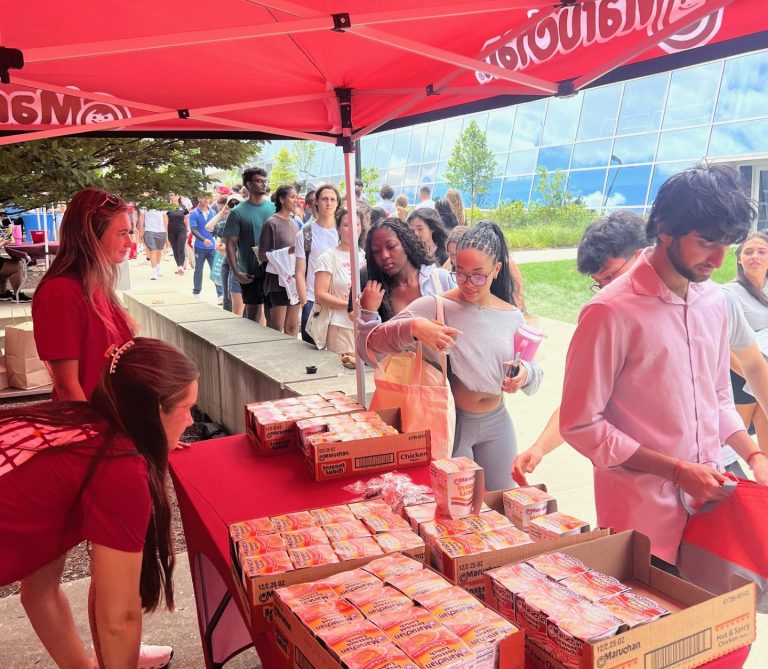
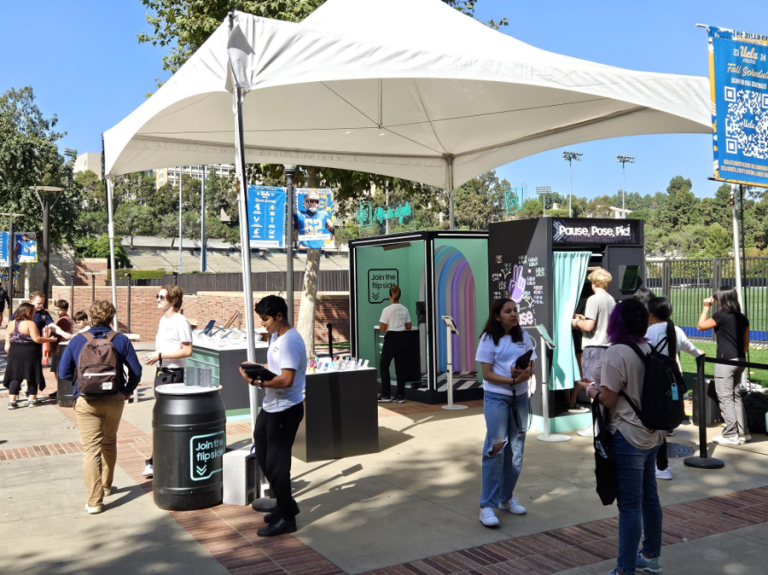
With students now falling into a routine of getting adjusted to life on campus, it can be easy for businesses to lose touch with college students once the back-to-college frenzy is over. It is important for brands to keep on targeting college students in order to forge long-term consumer relationships that will last way beyond graduation day.
Global media agency UM partnered with student textbook company Chegg to identify other key moments besides the back-to-school season where brands can connect with students.
According to the survey, most college students tend to associate brands with particular memories in their college career. For example, 75% of the 600 students surveyed said that doing well on their first exam was an important milestone to celebrate, while 71% said that getting their first bad grade on a exam was also an important memory.
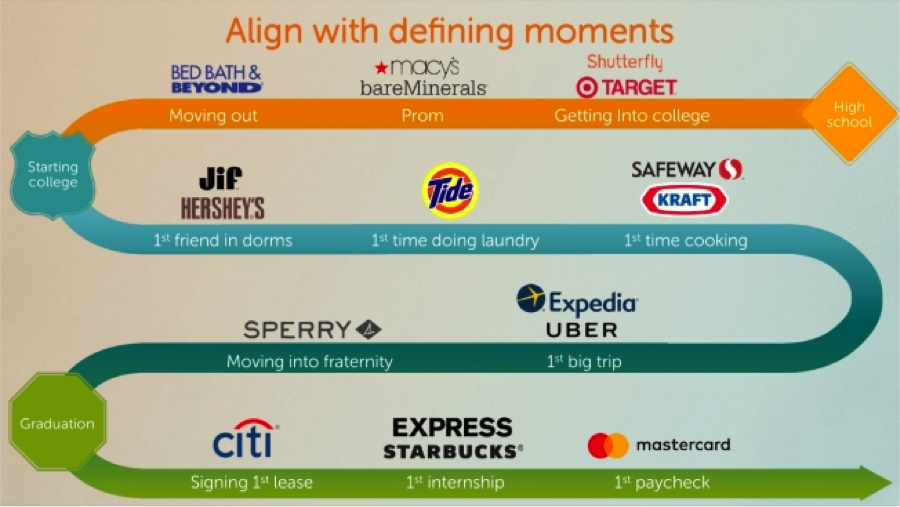
“We know that there are numerous points throughout the college experience where brands can connect with students in meaningful ways,” Danielle Malloy, Director of Marketing Solutions at Chegg, said. These important memories in college include things like signing a lease for the first off campus apartment, or a first college relationship.
So what channels should brands be involved on in order to get across to students when these important moments happen?
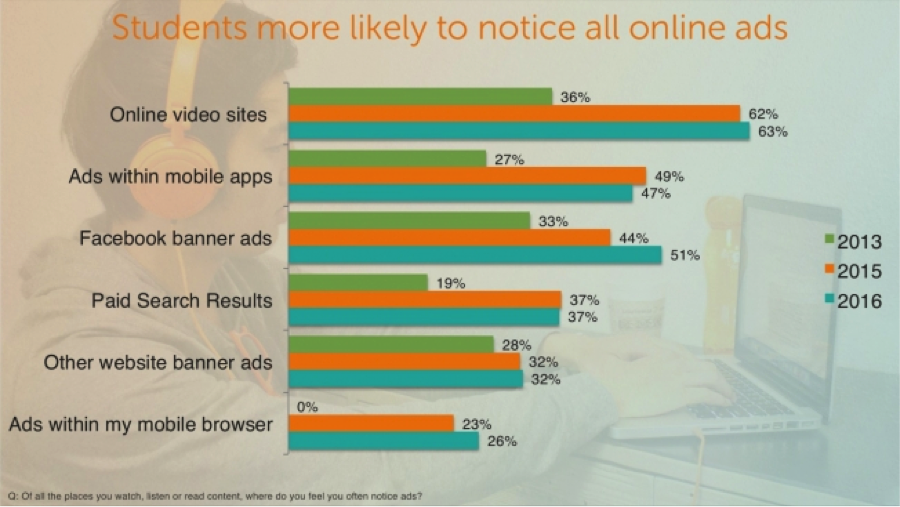
Online video sites such as YouTube and Facebook banner ads resonate well with college students because these are the channels they are already checking up on multiple times a day. Students spend an average of 56 hours a week consuming media on smartphones and laptops. Additionally, they are spending most of their time on streaming services which saw a 15% increase from last year, at a total of 46% utilization.
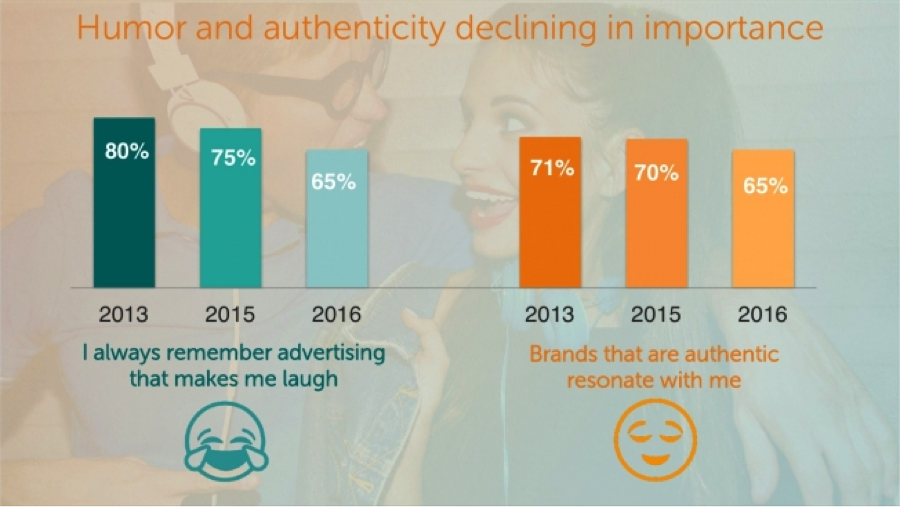
For a brand’s personality and message, social responsibility is becoming increasingly more important, with humor and authenticity slowly declining in priority. 88% said they are more likely to respond to brands that give back to the community, while 70% said they feel that brands need to focus on responsible practices.
“If a company has big business practices, if they are environmentally conscious, students are really aware of how brands are advertising. It’s something that they look at, it’s something that they will think about and make their decisions accordingly.”