With over 144 billion emails sent out every day, it is no wonder why email marketing is a top channel to engage and interact with consumers. However, among all the emails piling up in inboxes, it can be easy to get lost in all of the noise. To make sure your message stands out against the rest, be sure to use these successful strategies during your brand’s next email marketing campaign.
1. Be wary with using the recipient’s name in emails.
The practices of using the person’s name in an email greeting is not as effective as it appears to be. According to a study conducted by Temple’s School of Business, this practice is more likely to turn off consumers than build relationships. It may come off as creepy and suspicious, especially due to the high number of phishing and identify theft crises. The key foundation of email marketing is emphasis on relationship. The customer has to know who you are and be interested in what you want to say before you can start referring to them with something as personal as their first name. Building relationships offline takes time and dedication, and online is no different. Instead of forging relationships with customers by referring to them by their name, personalize the emails instead through product recommendations based on previous purchases. This shows greater care to the customer’s needs and actions and is key to building a lasting relationship.
2. The perfect length of subject lines.
The subject line of your email is crucial to your customer’s response of either opening it or dismissing it as trash. Length is a key aspect, and marketers only avoid the “dead zone” of 60 to 70 characters. According to Salesforce.com, research conducted by Adestra on the effectiveness of emails with different subject line lengths found that there was no increase in open rates or clickthroughs at the 60-70 character subject line. According to the research, subject lines with 70 characters or more tested well in engaging readers in clicking through to the content. On the other hand, emails with subject lines with 40 characters or less had higher open rates. Therefore, in order to capture readers’ attention, it’s best to stick with shorter subject lines or opt for longer subject lines that prompts readers to keep reading inside.
3. Prime time to send emails? Not what you think.
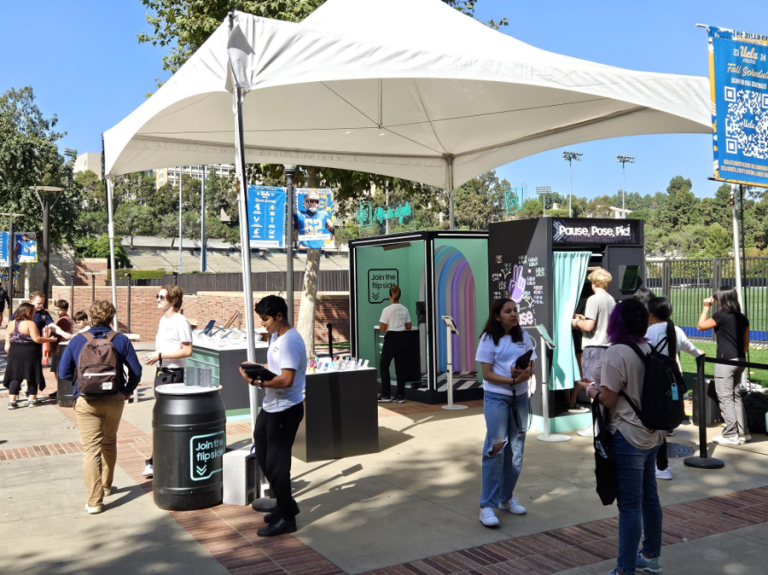
The best time to send emails to college students peaks at 1 pm, according to MailChimp. The optimization times in comparison to other demographics are a little more different – as college students tend to sleep in and wake up later in the day. Sending emails later on in the day such as at night or on weekends is also effective because students have their schedule jam-packed with classes, studying and extra curriculars during the week.

Make sure to incorporate these tips during your next email marketing campaign. For more information on starting advertising initiatives to college students, contact us at OnCampus Advertising.